
19 November 2026
Sick leave for mental health in Portugal: how it works
Anxiety, depression or burnout can justify sick leave in Portugal. Find out who can sign you off, how to ask for it and where a psychologist fits…

By Jorge Amaro · 1 March 2019 · 5 min read

Anger is a strong emotion that can hurt the person who feels it and those around them. See what feeds it, what to do when it rises and how therapy helps.
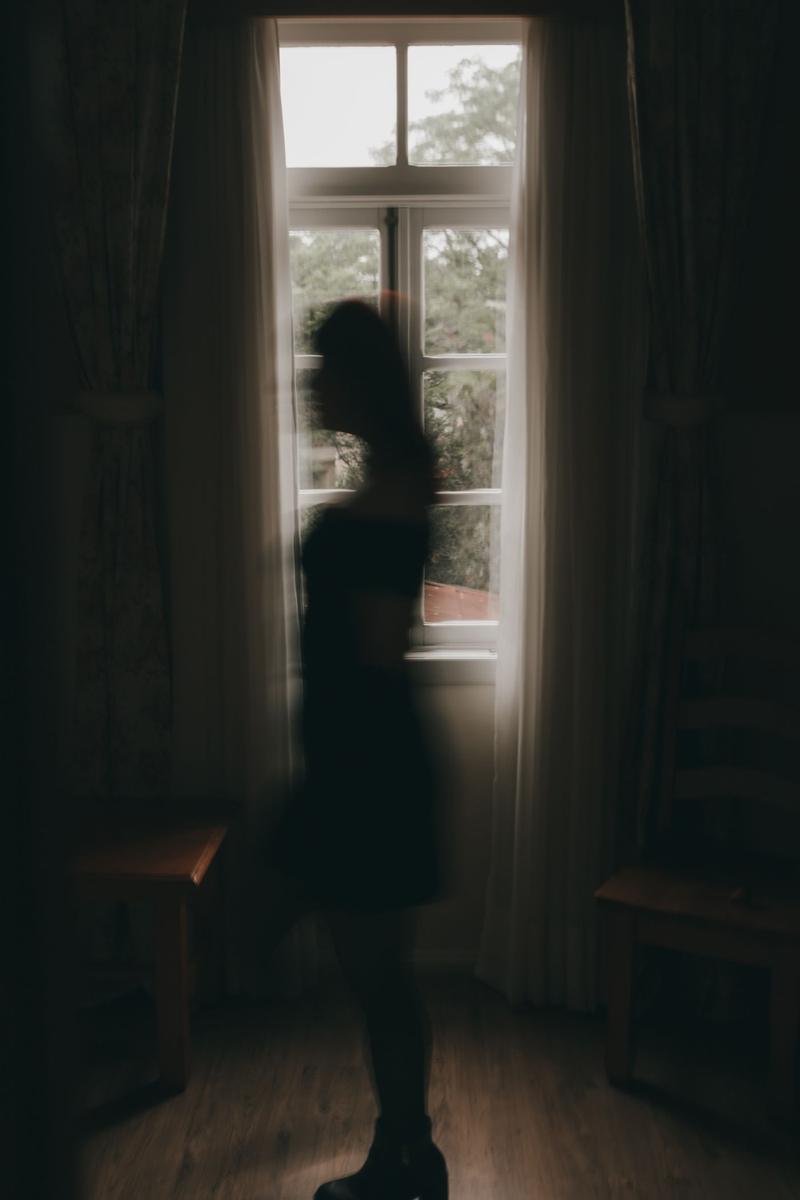
Anger, rage, fury, wrath: different names for an emotion linked to frustration and the urge to react. We all feel it. What varies from person to person is how strong it is and what we do with it.
It can be turned outwards, against others, and also inwards, against ourselves. It often goes hand in hand with anxiety and can lead to depression.
It is not anger itself that is the concern: it is when it stops being a reaction and starts running the show.
There is usually not one single cause. These are the most common.
When the source lies in old experiences, working only on behaviour is not usually enough: it is worth looking at what lies behind it.
Think about the last few weeks.
If you recognise yourself in several of them, you are not alone and help is available. Talking to a professional is a good step.
Strategies for the moment. They do not deal with the source, but they give you room to choose what to do.
Where do you feel the anger? Give it a score from 0 to 10 to get a sense of how intense it is.
"I am angry." Naming the emotion already makes it easier to manage.
If you can, leave the situation before you respond. Your response will be more truly yours.
Slow, long breaths help your body come down a level.
"I feel disrespected" opens a conversation; "you are..." usually closes it.
You may have good reason to feel angry and, at the same time, want to stop it from hurting you. Both can be true.
See a psychologist if anger is spoiling your relationships, your work or your health, or if you feel you are losing control.
See also: How to manage anxiety.
If you are at risk of harming yourself or someone else, call 112 (European emergency number).
There are several approaches. In the first session we work out with you what makes most sense in your case.
They are close names for the same family of emotions. They differ mainly in intensity and in how they are expressed.
Because anger does not always depend only on the current situation. It can feed on old resentments and frustrations.
Sometimes, yes. People who suffered at the hands of those who should have protected them can carry resentment for years. See childhood trauma.
Suppressing it does not usually solve anything. Recognising it, understanding what feeds it and choosing how to react helps more.
No. Accepting that you feel it is different from unloading it on other people. It is the starting point for being able to change it.
Because it helps you observe the emotion instead of being inside it. If the score goes down, you realise that it changes.
Yes. It can show up as harsh self-criticism or a wish to hurt yourself. If that happens, ask for help.
It can. See the symptoms of anxiety and the symptoms of depression.
A technique of tapping on points of the body, combined with acceptance phrases. See EFT tapping.
It depends on the person and on the source of the anger. We agree a regular rhythm and review it with you as we go.
Yes, by video call, from home. See online sessions.
Health bodies and reference studies, if you want to read more. They are not a substitute for an assessment by a professional.

Jorge AmaroPsychologist and psychotherapist, founder and coordinator of Psicovias · OPP licence no. 3076About Jorge Amaro →
Would you like to talk to a psychologist? Book your session on WhatsApp, in Lisbon or online.
Message us on WhatsAppAnxiety, depression or burnout can justify sick leave in Portugal. Find out who can sign you off, how to ask for it and where a psychologist fits…
It is a fair question, because they are different professionals. See what each one does and how to decide where to…
We all have them. When they become frequent and weigh on your daily life, there are ways to question them, and professional help makes a…