19 November 2026
Sick leave for mental health in Portugal: how it works
Anxiety, depression or burnout can justify sick leave in Portugal. Find out who can sign you off, how to ask for it and where a psychologist fits…

By Jorge Amaro · 17 December 2022 · 6 min read
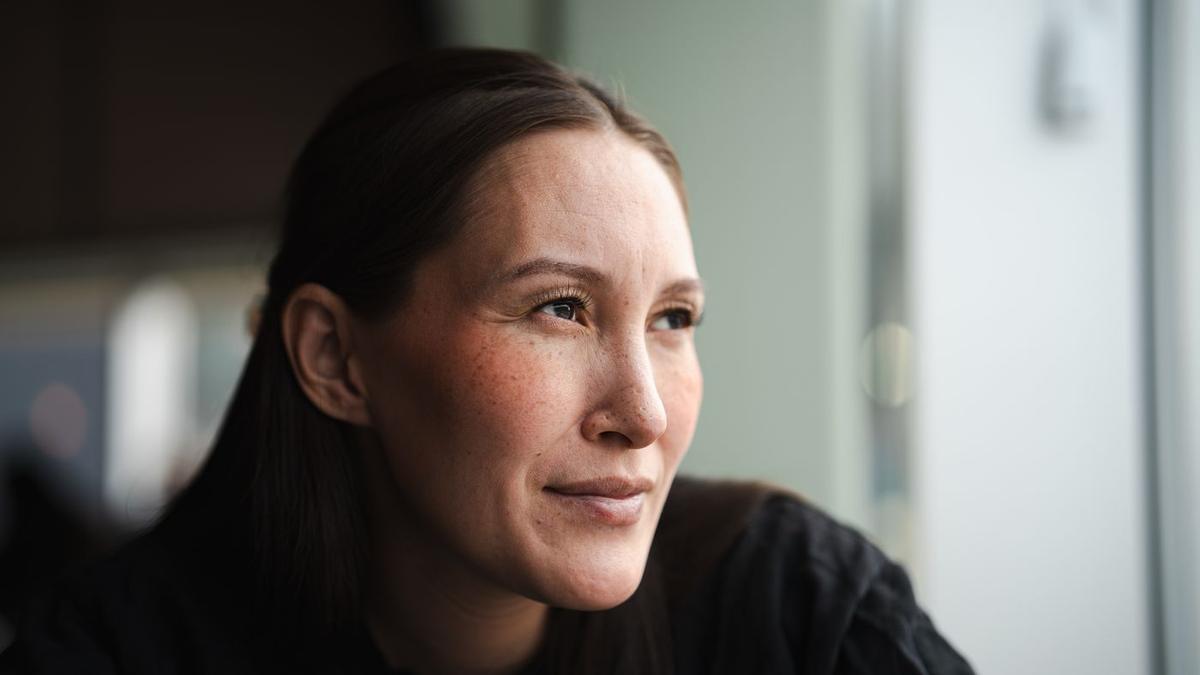
Depression can be treated, and recovery is possible. See what rationalisation is, how explaining everything with logic can distance you from what you feel and how therapy helps.
Depression can be treated and recovery is possible. The path and the pace vary from person to person, and nobody can promise you a timescale.
For many people, part of that path involves understanding the defence mechanisms we use without realising it. One of them is rationalisation, which we look at next. To recognise the signs of the illness, see the symptoms of depression.
Rationalising is giving logical explanations for what happened to us or for what we feel. It is healthy: it is how we try to understand our difficulties.
The problem is excess. When we use arguments that seem logical but are fallacious, to protect our "self" and avoid feeling what hurts, rationalisation becomes a defence mechanism. We genuinely believe these explanations, because they help us feel better.
The difference lies in what we do with the emotions.
Almost all of us have done it. It is just worth noticing when it becomes the rule.
Without judging yourself, see whether any of these sentences sounds familiar.
If you recognise yourself in several of them, that is not a flaw: it is a way of protecting yourself. A professional can help you look at what lies underneath.
It tends to grow when there is a lot to feel and little room to do so.
Small steps to make more room for what you feel.
When you hear yourself justifying too much, pause for a moment.
Before explaining, ask yourself what you are feeling: sadness, fear, anger?
Ask yourself: what if the reason is something else? Accepting your limitations is part of getting to know yourself.
Telling someone what you feel, without arguing, is good practice.
If sadness and tiredness have persisted for more than two weeks, or you feel you can no longer manage everyday life as before, see a mental health professional.
See also: What depression is, Symptoms of depression.
If you have thoughts of hurting yourself or ending your life, talk to someone you trust today and call 112 (European emergency number). If you feel you are at immediate risk, do not stay alone.
The best space to face emotions in a healthier way is therapy. See the approaches we offer; we help you choose in the first session.
It can be treated and recovery is possible, each person at their own pace. Part of the path may involve recognising defence mechanisms such as rationalisation.
It is a defence mechanism in which we give logical but fallacious explanations for what we feel or did, to protect our "self" and soften difficult emotions.
No. It is healthy to try to understand difficulties. It becomes a problem when it replaces the real reasons and stops us from feeling.
It is explaining an emotion with logical arguments instead of feeling and accepting it. It can bring immediate relief, but it does not resolve what caused it.
Failing an exam and saying you were nervous, instead of recognising that you did not study enough. Or saying, as in the fable, that the grapes are sour.
Generally not. We genuinely believe the explanations, because they help us feel better.
If you explain everything with logic but the pain continues, or you always find reasons that do not involve you, it is worth talking about it with a professional.
There can be a link: avoiding emotional pain does not make it disappear. See what depression is and the symptoms of depression.
It gives you a safe space to recognise these mechanisms and face your emotions in a healthier way, without having to justify yourself.
It depends on each case. We agree a regular rhythm, for example weekly.
Yes. See how it works in online psychology sessions.
It can, when difficult memories lie behind what you feel. See EMDR treatment for depression.
ADSE (the Portuguese public-sector health scheme) reimburses 75% of the amount paid, up to €16 per session, without a medical prescription and up to 24 sessions a year. See psychology sessions with ADSE.
Health bodies and reference studies, if you want to read more. They are not a substitute for an assessment by a professional.

Jorge AmaroPsychologist and psychotherapist, founder and coordinator of Psicovias · OPP licence no. 3076About Jorge Amaro →
Would you like to talk to a psychologist? Book your session on WhatsApp, in Lisbon or online.
Message us on WhatsAppAnxiety, depression or burnout can justify sick leave in Portugal. Find out who can sign you off, how to ask for it and where a psychologist fits…
It is a fair question, because they are different professionals. See what each one does and how to decide where to…

We all have them. When they become frequent and weigh on your daily life, there are ways to question them, and professional help makes a…